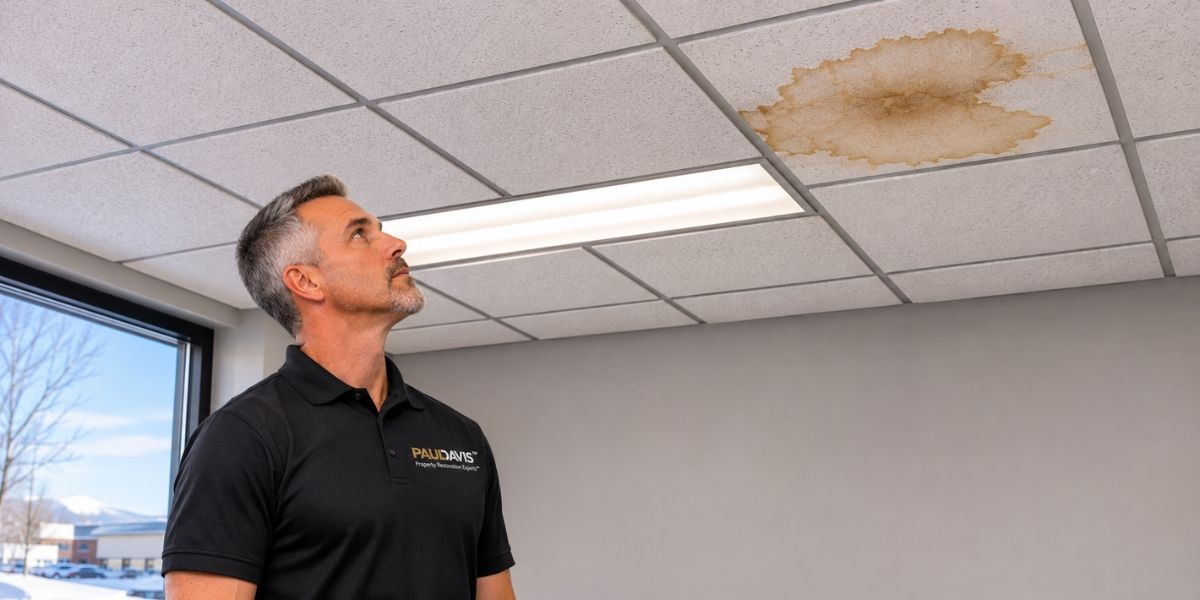
By midwinter, a business roof in western Montana may be carrying weeks of accumulated snow, and the first sign of trouble is often a stain on a ceiling tile. Knowing what snow load does to a building, and how commercial restoration fits in after a leak, helps owners act early and stay safe.
How Snow Load Stresses a Business Roof
Fresh snow is light, but wet snow, repeated thaws, and rain on top of snow add real weight. Flat and low-slope roofs are especially sensitive, because drains can clog and water can pool under the pile. A roof designed for a certain load may still leak at seams, vents, and flashing when snow melts unevenly. Building owners near Corvallis can watch for the same signs, which usually show up inside the building first.
Warning Signs Inside the Building
Look for sagging ceiling tiles, new stains, dripping near light fixtures, doors that suddenly stick, and cracks forming in drywall. Unusual creaking or popping sounds deserve attention too. If the roof appears to be deflecting, move people out of the area and call a structural professional right away. Do not wait for a small leak to turn into something larger, since water and weight can work together.
Safe First Steps After a Roof Leak
Never climb onto a snow-covered roof, and keep staff out of areas under a sagging ceiling. Protect equipment and inventory by moving or covering it, and place containers under active drips. Turn off power to affected circuits only if you can do so without standing in water. Then photograph the damage and call your insurer. When the leak is active, the contact page is the quickest way to reach the restoration team. Keep a log of the date, the time, and what you noticed, since details fade quickly.
What to Tell the Team Before Commercial Restoration Begins
When you call, describe where the water is, how long it has been leaking, which rooms are affected, and what must be protected. Mention the age of the building and whether the roof is flat or sloped. Tell the team about any inventory, electronics, or records in the area. These details help commercial restoration crews arrive with the right equipment and a plan for drying, and they speed up the first decisions.
What Commercial Restoration Covers After a Leak
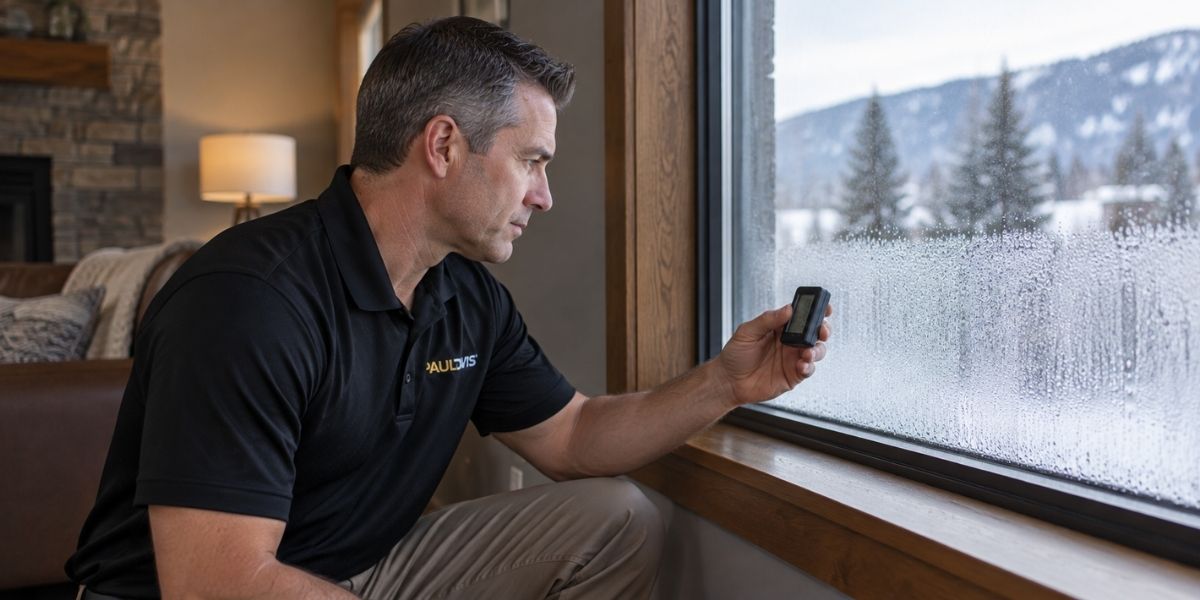
A restoration team removes the water, then dries the ceiling, walls, and insulation that got wet. Wet ceiling tiles and soaked insulation are usually removed, since they rarely dry well in place. Moisture meters show whether hidden areas are still damp. The roof repair itself is the work of a roofer, and good coordination keeps the two jobs from getting in each other’s way. Commercial restoration handles the water side of the problem.
Keeping the Business Running During Commercial Restoration
Not every leak means a full closure. Work can often be limited to the affected rooms, with plastic barriers and air movers placed to protect the rest of the space. Ask about scheduling work in the evening or on a weekend. A clear plan about which rooms stay open saves time for everyone, and a shop in Frenchtown can use it to tell customers what to expect.
Planning Ahead for Commercial Restoration
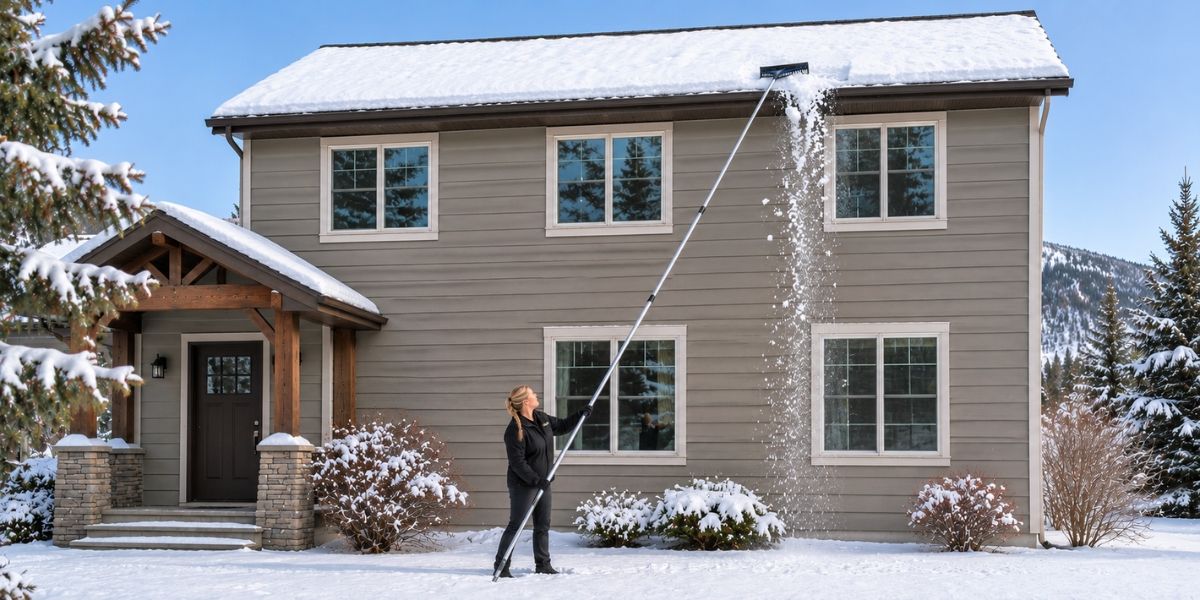
Have a roofer inspect the roof before winter, and clear drains, gutters, and scuppers. Remove heavy snow safely, using professionals instead of staff on a ladder. Write down shutoff locations, contacts, and a plan for moving inventory. The commercial restoration page describes the services available. A new ceiling stain after a thaw in Hall is worth a phone call right away.
How Paul Davis of Greater Missoula Can Help
Paul Davis of Greater Missoula holds IICRC certification and offers 24/7 emergency service, along with a free estimate and a free consultation. The company says it helps local businesses with continuity planning and disaster preparation before a loss, and it says its team is on site within 60 minutes, 24/7. That readiness matters during commercial restoration after a storm. Read more on the commercial storm damage restoration page.
Frequently Asked Questions
How much snow can a commercial roof hold?
It depends on the building’s design, the roof type, and how wet the snow is. A roofer or structural engineer can tell you what your roof was built to carry.
Should staff remove snow from the roof?
Generally no. Falls and overloading are real risks. Hire professionals with the right equipment, and keep people out of the area below.
Will insurance cover a snow-related roof leak?
Many commercial policies cover sudden damage from snow and ice, but terms vary. Ask your agent what applies to your building.
Does Paul Davis of Greater Missoula handle both the emergency and the rebuild in commercial restoration?
Yes. Paul Davis of Greater Missoula says it covers the work from emergency cleanup through full reconstruction.
Can a business stay open during repairs?
Sometimes. The team can often limit work to the affected rooms, but safety and the extent of the damage decide.
When winter weather finds its way into your building, Paul Davis of Greater Missoula can help you protect it.
Follow Paul Davis of Greater Missoula: Facebook | Instagram | YouTube