How much weight can a roof carry once snow starts to pile up? Heavy snow looks harmless from the driveway. When wet snow stays on a roof for days, though, it adds serious weight, and by the time a ceiling stain appears, the damage may already be spreading through the attic and walls. The sections below cover the warning signs, the emergency steps, and how residential restoration works from the first call to the rebuild.
How Snow Damages a Roof
Fresh powder is light, but wet, packed, or refrozen snow can weigh many times more per cubic foot. That load presses on rafters, sheathing, and shingles, and a cycle of daytime melting and nighttime freezing can push water under roofing. No single snow depth is a safe cutoff, because the safe load depends on the roof’s design and condition. Helmville is among the communities across western Montana the team serves.
Warning Signs Inside the House
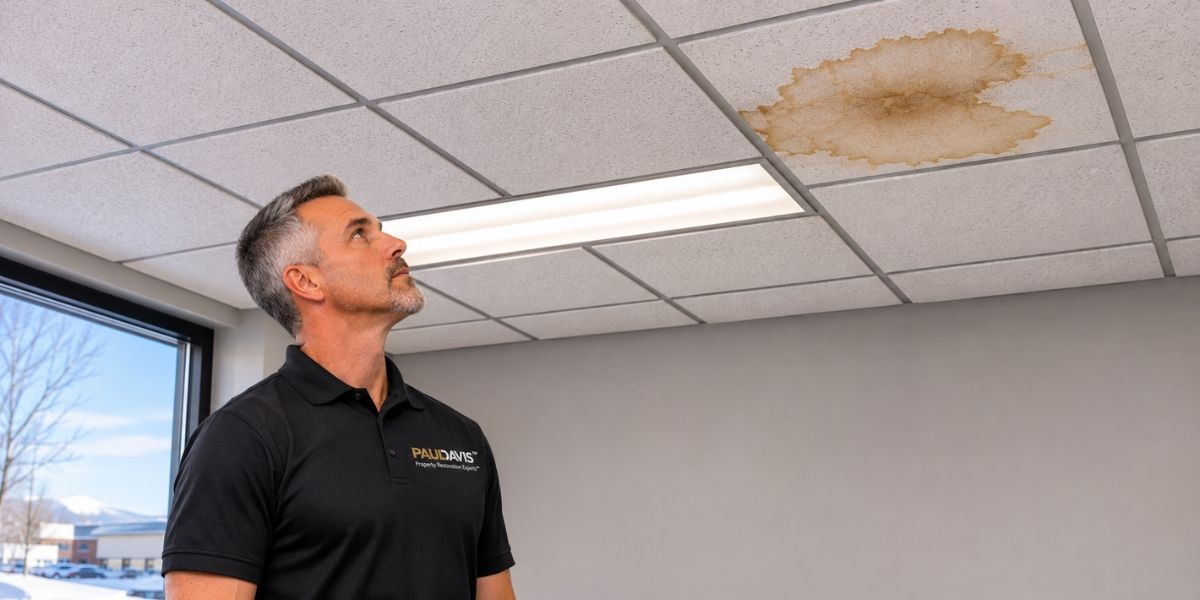
Watch for ceilings that sag or crack, doors and windows that suddenly stick, new gaps where walls meet ceilings, and creaking or popping sounds. A ceiling stain or drip after a warm day usually means meltwater is getting in. If any room seems to be changing shape, stay out of it and call for help, since a structural problem is more urgent than a leak. Catching these signs early can keep a residential restoration project smaller.
What to Do Right Away
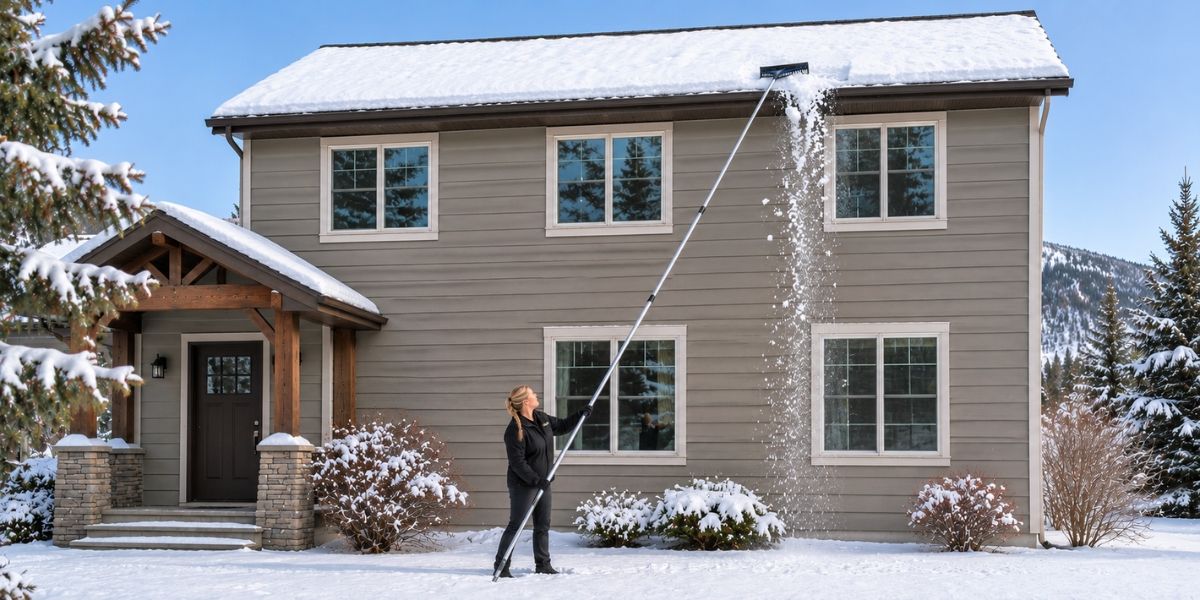
Move people and pets out of rooms under a sagging area, and keep valuables away from drips. Catch water with buckets, and photograph everything before moving it. Those first steps give residential restoration a head start. Do not climb onto an icy roof or use a ladder in the snow. A roof rake from the ground can help with light buildup near the eaves, but heavy loads call for professionals. Anyone dealing with an active leak can start with the contact page.
Step One of Residential Restoration: Stopping Further Damage
Emergency protection comes first: tarping the opening, boarding up broken areas, and removing water that has already come in. These steps limit how much of the house gets wet while permanent repairs are planned. Mold can begin to grow within about 24 to 48 hours when materials stay wet, so wet insulation and drywall need attention quickly.
Step Two of Residential Restoration: Drying the Attic and Walls
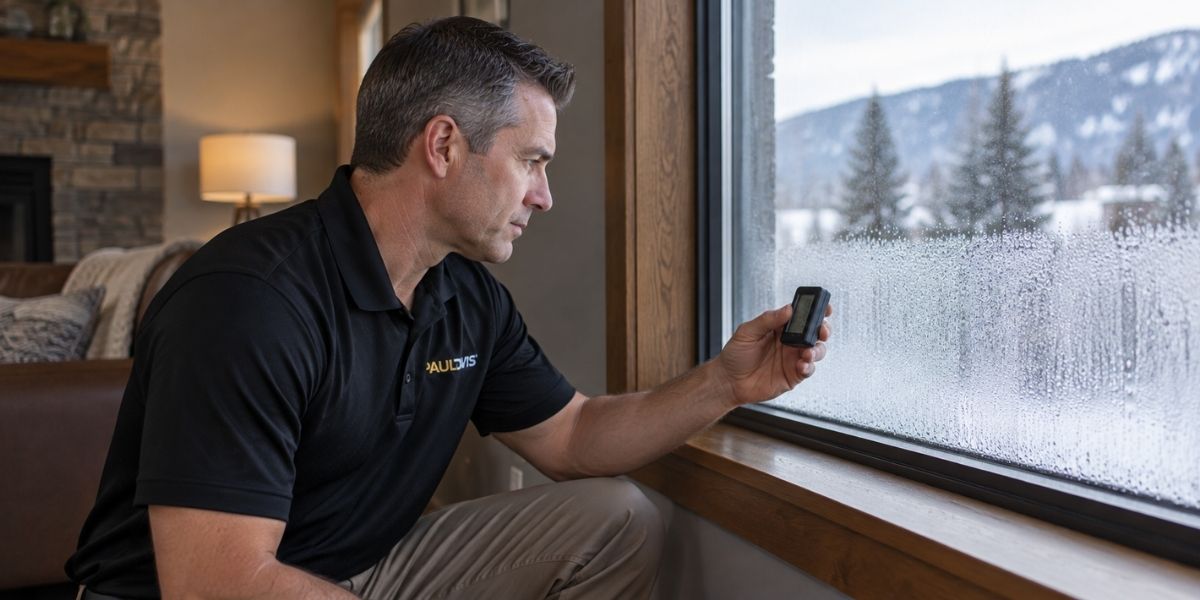
Water from a roof leak rarely stays in one place. It soaks attic insulation, runs down framing, and stains ceilings below. Drying uses air movers and dehumidifiers, with moisture meters to confirm when materials are dry. In Huson, a roof that sags or creaks under snow is a reason to call before the thaw.
Step Three of Residential Restoration: Structural Repair and Rebuild
If snow load stressed the framing, a structural check comes before cosmetic work. Depending on the damage, the rebuild can include roof framing, sheathing, insulation, drywall, paint, and flooring. Permit requirements vary by town, so ask who handles them. The company says it handles everything from emergency cleanup to full reconstruction with an in-house rebuild team. More about the services is on the residential restoration page.
Planning Ahead for Next Winter
Keep gutters and eaves clear, add attic insulation and ventilation as advised for your home, and have an older roof inspected before the heaviest months. Trim branches that hang over the roof. Know who you will call, because a plan made before the storm saves hours when one hits. A little planning can keep a snow event from turning into a full residential restoration project. Anyone in Ovando who sees a new ceiling stain after snow melts can ask the team to take a look.
How Paul Davis of Greater Missoula Can Help
Paul Davis of Greater Missoula is IICRC certified and offers 24/7 emergency service, with a free estimate and a free consultation. The team can protect the home, dry it, and rebuild it, which covers the full range of residential restoration. Read more on the storm damage restoration page.
Frequently Asked Questions
How much snow is too much for a roof?
There is no single number. The safe load depends on the roof’s design and condition, and wet or refrozen snow weighs far more than fresh powder.
Should I shovel my own roof?
Not from a ladder or an icy surface. A roof rake from the ground helps with light buildup, and heavy snow is a job for professionals.
Will melting snow leak into the house?
It can, especially where meltwater refreezes and backs up under roofing. A new ceiling stain after a warm day is a common sign.
How soon should I call for residential restoration?
As soon as you see signs of structural stress or a leak, since mold can begin to grow within about 24 to 48 hours when materials stay wet.
Does Paul Davis of Greater Missoula handle both the emergency and the rebuild?
Yes. Paul Davis of Greater Missoula says it handles everything from emergency cleanup to full reconstruction.
Paul Davis of Greater Missoula can help you take the next step safely when snow puts a roof under stress.
Follow Paul Davis of Greater Missoula: Facebook | Instagram | YouTube