After a house fire or a burst pipe during a hard freeze, the structural damage is usually the first thing people think about. The second thought, once the immediate danger has passed, is almost always about the things that can’t be replaced: family photos, handed-down furniture, a box of letters, the quilt someone’s grandmother made. Understanding what actually happens to those items during contents cleaning can ease a lot of that uncertainty.
Paul Davis Restoration of Greater Missoula treats sentimental and high-value items with the same care as everything else in a contents cleaning project, but the process behind saving them is worth understanding.
Why Photos and Documents Get Contents Cleaning Priority
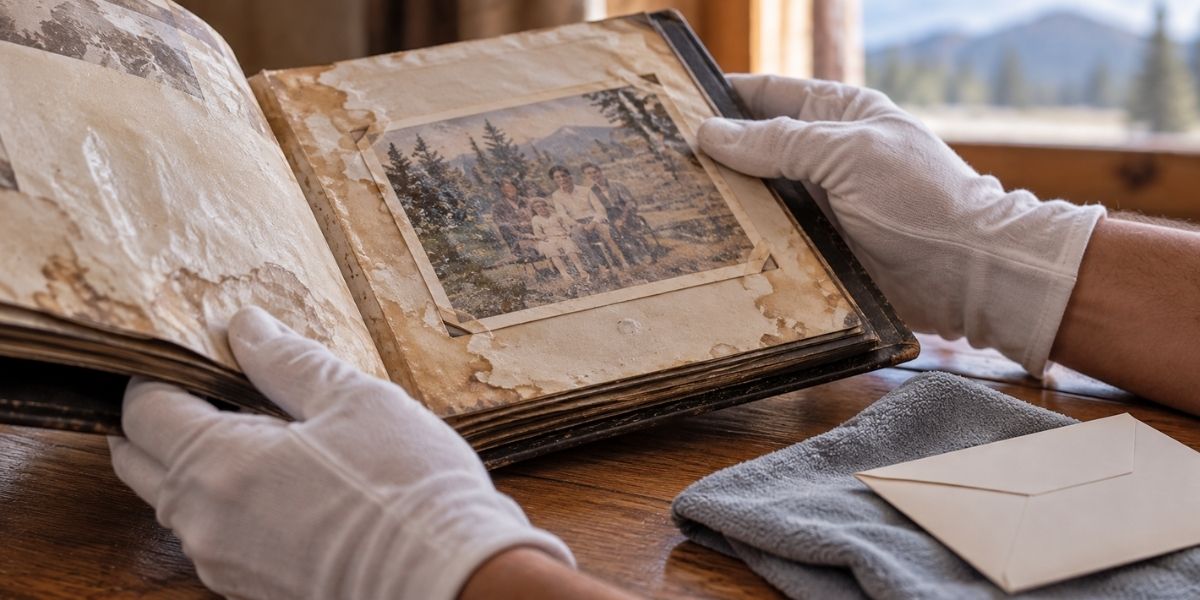
Photos, documents, and similar paper-based items are some of the most time-sensitive belongings in any contents cleaning job. Moisture and residue damage tend to worsen the longer they sit untreated, which is part of why an early assessment matters more for these items than for almost anything else in a home.
Even smoke- or water-damaged photos can often be saved when they’re treated quickly, using techniques specific to paper and photographic materials rather than a generic cleaning approach. Homeowners can explore our residential restoration services to see the fuller scope of what’s covered.
Furniture and Heirlooms Get Evaluated Individually
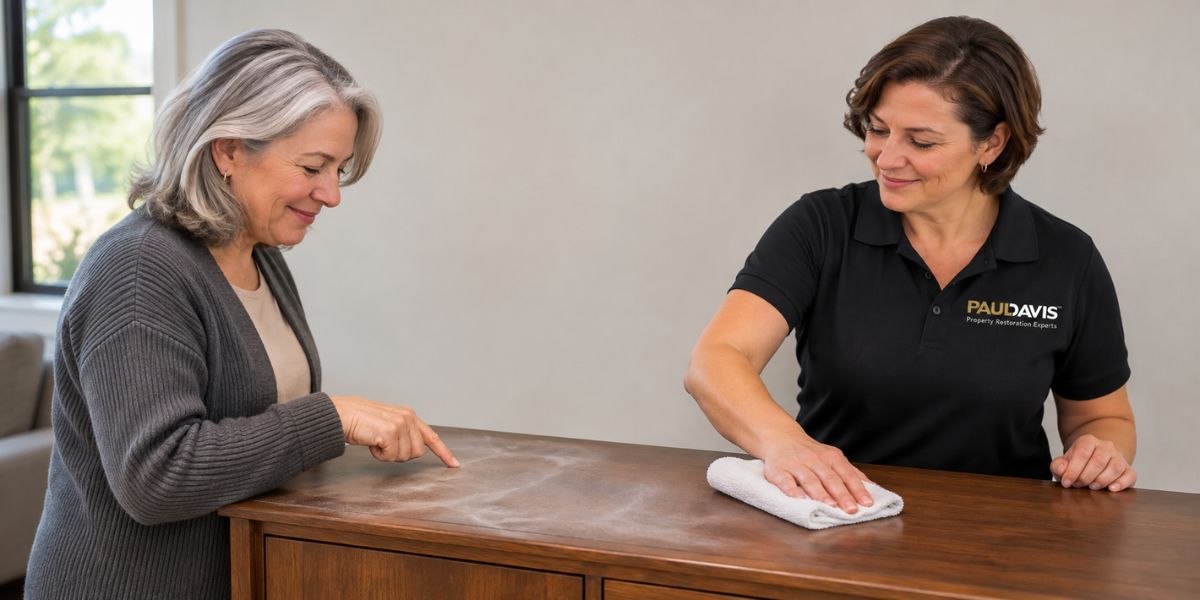
A piece of furniture that’s been in a family for generations doesn’t get treated the same way as a five-year-old couch, and it shouldn’t. Each item gets evaluated on its own, with cleaning methods matched to the specific material and construction rather than a one-size-fits-all process applied across the board. For questions about a specific item or situation, the contact page connects directly with the local team, including for homeowners in communities like Arlee.
That individual attention matters most for items that can’t simply be replaced with a trip to the store. National insurer relationships also help keep the claims side of the process moving, so homeowners aren’t stuck waiting on paperwork while their belongings sit untreated.
On-Site Contents Cleaning or Off-Site Treatment
Some items can be cleaned in place, especially smaller belongings or those with lighter damage. Others need to be packed out and taken to a dedicated facility for more specialized treatment, then returned once the work is complete and the home is ready. That decision depends on the type of damage, the material involved, and how quickly the item was reached after the event happened, whether the home is in Clinton or elsewhere across the service area.
Homeowners get a clear explanation of which path applies to their specific belongings, rather than a blanket answer that doesn’t account for what’s actually involved.
One Contents Cleaning Process, From Assessment to Return
Paul Davis of Greater Missoula manages the entire contents cleaning process under one roof, with a single point of contact overseeing the project from the first assessment through the final return of cleaned items. That continuity matters when sentimental belongings are involved, since homeowners want to know exactly who’s responsible for their things at every stage. Learn more about the team’s approach on the Paul Davis of Greater Missoula page.
Serving Communities Across Western Montana
That same careful, item-by-item approach reaches homes throughout the region, including in Philipsburg. Whether the loss came from wildfire smoke, a winter pipe burst, or something else entirely, family photos and heirlooms get the attention they deserve rather than a rushed assessment.
Frequently Asked Questions
Can smoke-damaged family photos actually be saved?
Often, yes, especially when they’re treated quickly using techniques specific to paper and photographic materials. Delays make residue and moisture damage worse, so an early assessment matters.
How do you decide if a piece of furniture is a total loss or can be restored?
Each item gets evaluated individually based on its material, construction, and the type of damage involved. A lot of belongings that look ruined at first glance can actually be cleaned and restored rather than replaced.
Do all my belongings need to leave the house during contents cleaning?
Not necessarily. Some items can be cleaned on-site, while others need specialized off-site treatment and get returned once the work is complete. The team explains which applies to a specific situation.
Will homeowners insurance cover contents cleaning?
Many policies cover contents restoration as part of a covered loss, but coverage depends on the specific policy and cause of damage. National insurer relationships help keep documentation and claims moving.
How long does contents cleaning typically take?
It depends on the number of items and extent of damage. Smaller or lightly damaged items can often be cleaned within days, while specialty items or larger volumes may take longer.
If a fire, water event, or storm has affected belongings that matter to your family, Paul Davis Restoration of Greater Missoula can help you understand what’s actually salvageable before anything gets treated as a loss.
Follow Paul Davis of Greater Missoula: Facebook | Instagram | YouTube